
A burst supply line, an overflowing dishwasher, a water heater that finally gives out, or rain that finds its way into the crawl space: however the water got in, the first 24 hours shape everything that follows. They decide how much can be dried in place, how much has to be torn out, and how smoothly the insurance claim goes. This checklist walks through what to do, in order, starting with the part that matters most — keeping everyone safe.
Key Takeaways
Safety comes first: stay out of standing water near outlets, cords or appliances, and treat sewage and floodwater as contaminated.
Stop the source if you can do it safely, then photograph everything before you move or throw anything away.
Wet materials should be dried within 24 to 48 hours to help prevent mold, and the moisture you cannot see is usually the bigger problem.
Call your insurer early and keep receipts for anything you spend to keep the damage from getting worse.
Step 1: Make It Safe First
Before you grab towels or start moving furniture, take a minute to look for hazards.
Keep clear of electricity
Water and electricity are the most immediate danger. The federal flood safety guidance on Ready.gov is clear: do not touch electrical equipment if it is wet or if you are standing in water. If you can reach your electrical panel from a dry spot, switching off power to the affected area is a sensible precaution. If getting there means walking through water, stay out and call your electric utility or an electrician.
Treat some water as contaminated
Water from a sewer backup, an overflowing toilet or a river that has come over its banks can carry bacteria, chemicals and debris. Keep children and pets away, wear rubber boots and waterproof gloves if you have to go in, and wash up thoroughly afterward. If you smell gas, leave right away and call your gas utility or 911 from outside.
Watch for sagging ceilings and soft floors
A ceiling that bulges or sags may be holding water and can come down without warning. Keep everyone out of the room below and leave it alone until it has been checked. Floors that feel spongy or bouncy, especially over a crawl space, deserve the same caution until someone has looked at the framing underneath.
Step 2: Stop the Water at the Source
For a plumbing leak, shut off the main water valve. It is usually where the water line enters the house — often in the crawl space, garage or a utility closet — and there is also a shutoff at the meter box near the street, though that one may need a special key. For a single fixture or appliance, the valve behind the toilet, under the sink or behind the washing machine may be enough. If you do not know where your main shutoff is, it is worth finding before you ever need it.
If the water is coming from outside, such as rain through a damaged roof or groundwater seeping into a crawl space during a long stretch of wet weather, you may not be able to stop it right away. Protect what you can instead: move belongings off the floor, catch drips with buckets, and leave roof tarping to someone with the right equipment.
Step 3: Identify the Type of Water
Restoration professionals sort water into three categories under the IICRC S500 standard for water damage restoration, and the category decides what can be dried in place and what has to go. Keep in mind that clean water does not stay clean: the longer it sits, the more contaminants it picks up from flooring, soil and building materials.
Clean water (Category 1)
Water from a sanitary source, such as a broken supply line or a sink overflow with no contaminants. When drying starts quickly, most materials can be dried in place.
Gray water (Category 2)
Water with significant contamination that could make people sick, such as washing machine or dishwasher discharge, or a toilet overflow with urine but no feces. Some materials, like carpet pad, are usually removed rather than dried.
Black water (Category 3)
Grossly contaminated water, including sewage, toilet backflow from beyond the trap, and floodwater from rivers and streams. Porous materials it touches, such as carpet, drywall and insulation, generally have to be removed, and cleanup is not a do-it-yourself job.
Step 4: Document the Damage Before Cleanup
Before you move furniture or pull up anything wet, take photos and video of every affected room. Capture the source of the water, such as the split hose, the failed fitting or the stain spreading across the ceiling, along with water lines on the walls and damaged belongings. If you have to remove something to prevent further damage, photograph it first and keep it until your insurer says it can go.
Then call your insurance company or agent to report the loss. Policies generally expect you to report damage promptly and take reasonable steps to keep it from getting worse, so keep receipts for anything you spend along the way, from a wet-dry vacuum rental to an emergency service call.
Step 5: Start Drying Within 24 to 48 Hours
Speed matters most here. The EPA advises drying water-damaged areas and items within 24 to 48 hours to prevent mold growth, as its guide to mold, moisture and your home explains. The longer materials stay wet, the higher the risk of mold, swollen trim, warped flooring and a damaged subfloor.
What you can safely do yourself
If the water is clean and there is no electrical hazard, soak up what you can with towels or a wet-dry vacuum, never a household vacuum. Pull up area rugs, move furniture off wet carpet, and put foil or wood blocks under the legs of anything that has to stay. Get photos, papers and electronics somewhere dry, and run fans and a dehumidifier if you can plug them in away from the water. Do not use ceiling lights or fans if the ceiling is wet.
What usually needs professional equipment
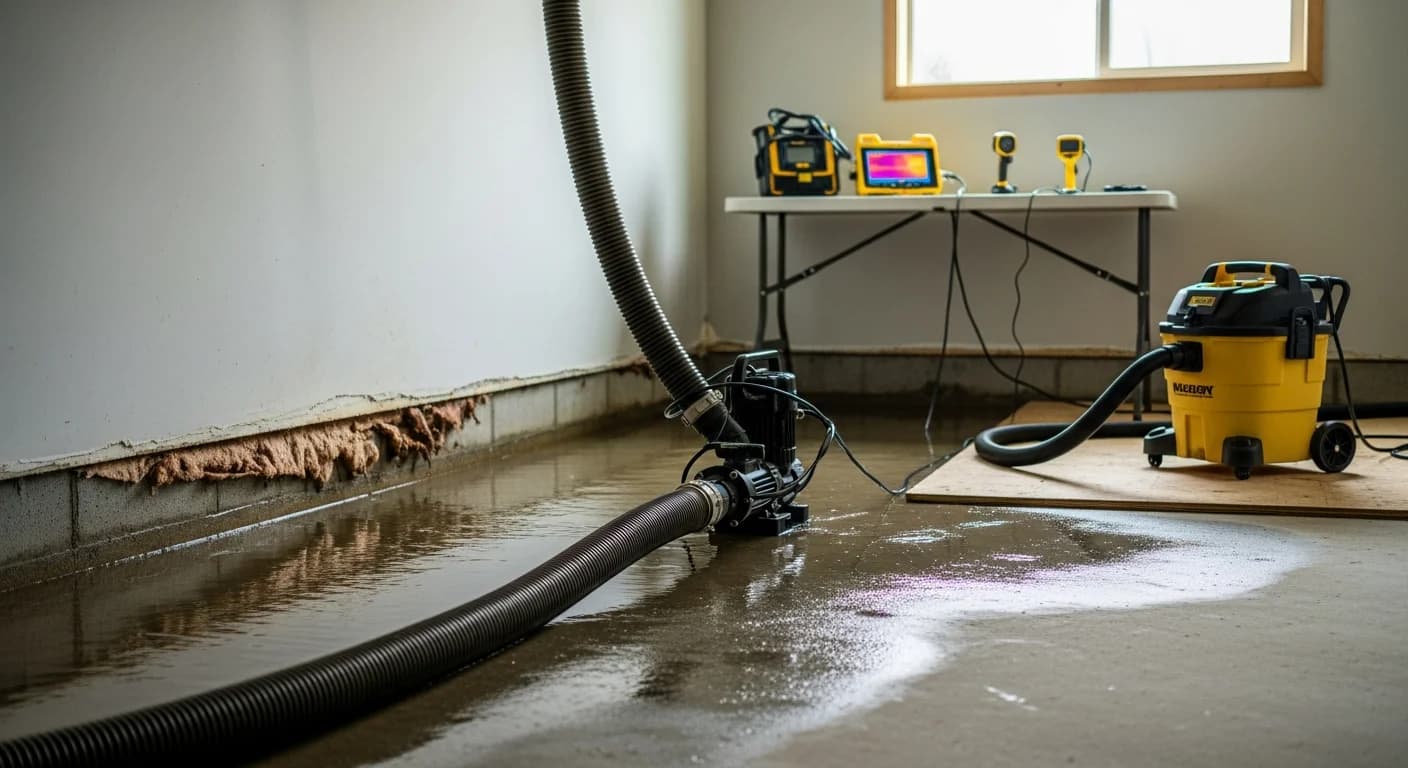
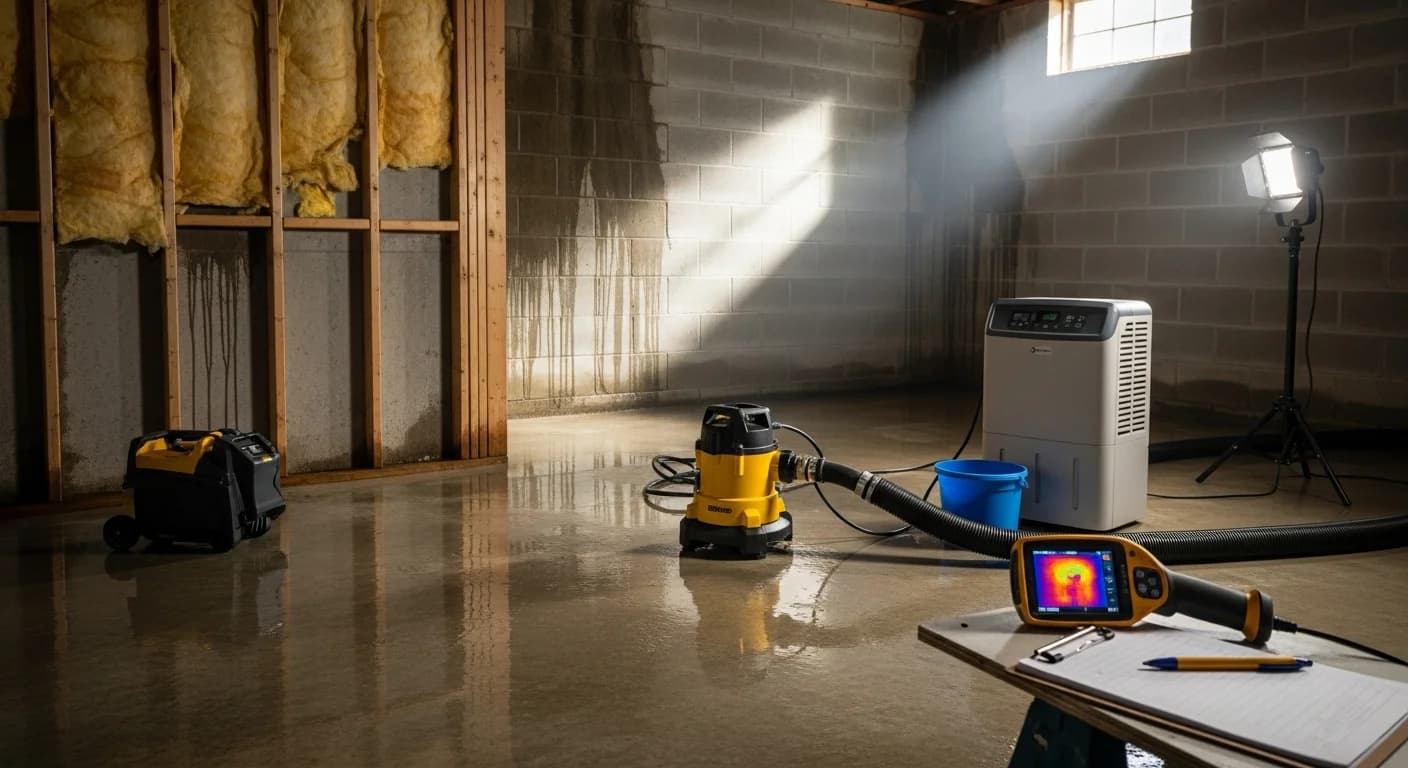
Water travels farther than it looks. It wicks up drywall, spreads under laminate and vinyl flooring, soaks into subfloors and collects on the vapor barrier in a crawl space, where household fans cannot reach it. Professional drying uses moisture meters and thermal imaging to find wet materials, removes what cannot be saved, and runs commercial dehumidifiers and air movers until readings confirm the structure is dry. If water has reached walls, subfloors or a crawl space, or if it is gray or black water, that is the time to call for emergency water removal and structural drying.
Frequently Asked Questions
How fast can mold grow after water damage?
Mold can begin growing on wet materials within 24 to 48 hours, which is why EPA and CDC guidance both stress drying within that window. Visible growth can take longer to appear, so a room that looks fine may still have mold starting inside a wall or under flooring that stayed wet.
Can I dry out water damage myself?
A small spill of clean water caught right away, like a sink overflow onto tile, can often be handled with towels, a wet-dry vacuum, fans and a dehumidifier. Once water soaks into carpet pad, drywall, insulation or subfloor, or reaches a crawl space, household equipment usually cannot dry it completely, and only a moisture meter can confirm the materials are dry.
Should I turn off the power after water damage?
If water is anywhere near outlets, cords, appliances or the electrical panel, cutting power to the affected area is a sensible precaution, but only if you can reach the panel from a dry spot without touching water. If you cannot, leave the area and call your electric utility or an electrician.
Is water damage covered by homeowners insurance?
It depends on the cause and your policy. Sudden, accidental damage such as a burst pipe is often covered, while gradual leaks and flooding from outside usually are not covered by a standard homeowners policy. Report the damage promptly and ask your adjuster what your policy includes.
Water in Your Home Right Now?
TDC Clean & Dry answers its emergency line 24/7 across Snohomish, Skagit and Whatcom counties. Call (206) 719-4508 and we will talk you through what to do while our crew is on the way, then extract the water, map the moisture and set up drying. Inspections are free, and we can bill your insurance company directly.
Not an emergency? Send us a message and we will set up a time to take a look.
More reading
More From the Crew
Insurance5 min
Does Homeowners Insurance Cover Water Damage in Washington?
Whether a water loss is covered usually comes down to what caused it and how quickly it was handled. Here is a plain-language look at the common rules, and how to protect your claim.
Mold6 min
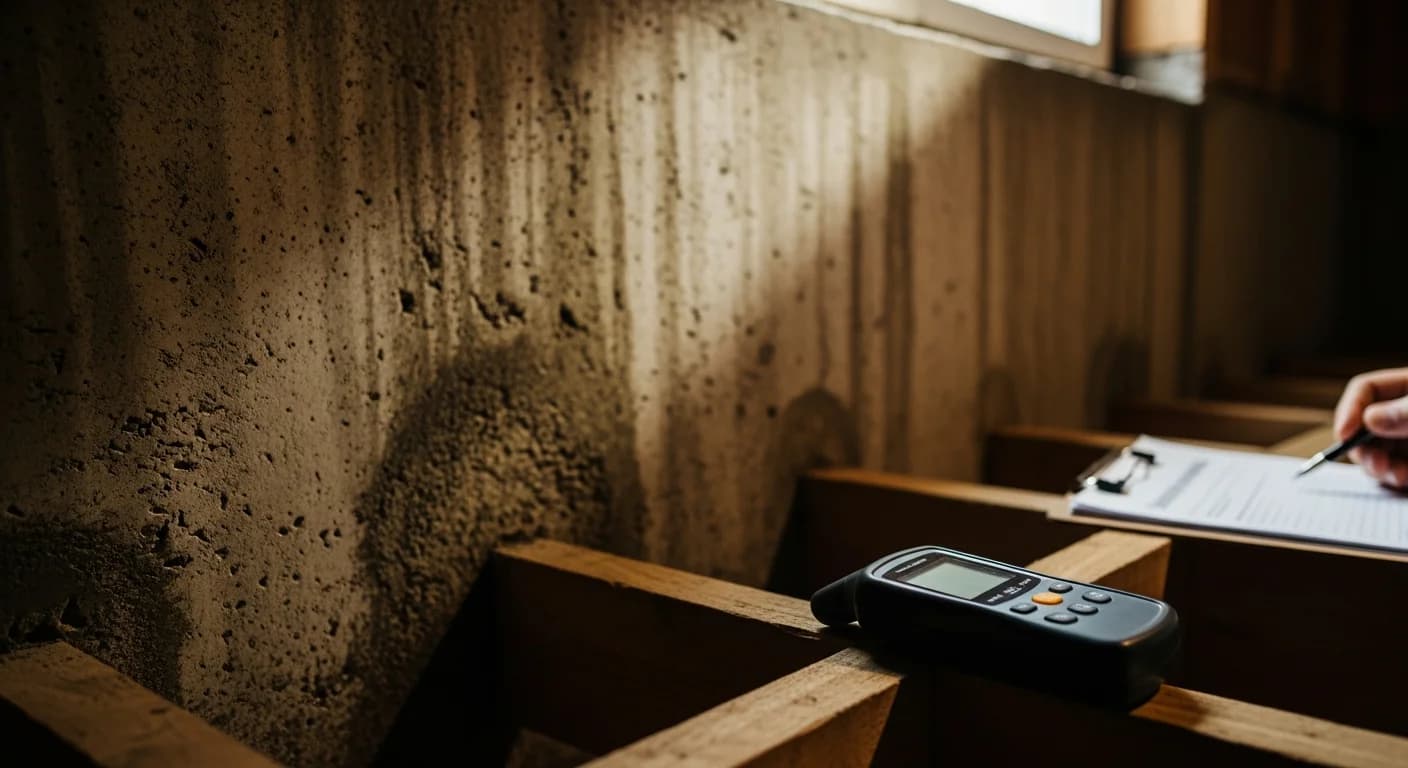
Mold After a Leak: Signs to Watch For in Western Washington Homes
A leak that has been cleaned up can still leave moisture behind in walls, subfloors and crawl spaces. Here are the signs of mold worth watching for, and what to do if you find them.