
What's included
What Emergency Water Removal Protects
The faster the water comes out, the more of your home can be dried and kept rather than torn out and replaced.
- Standing water is extracted before it soaks deeper into subfloors, wall cavities and insulation
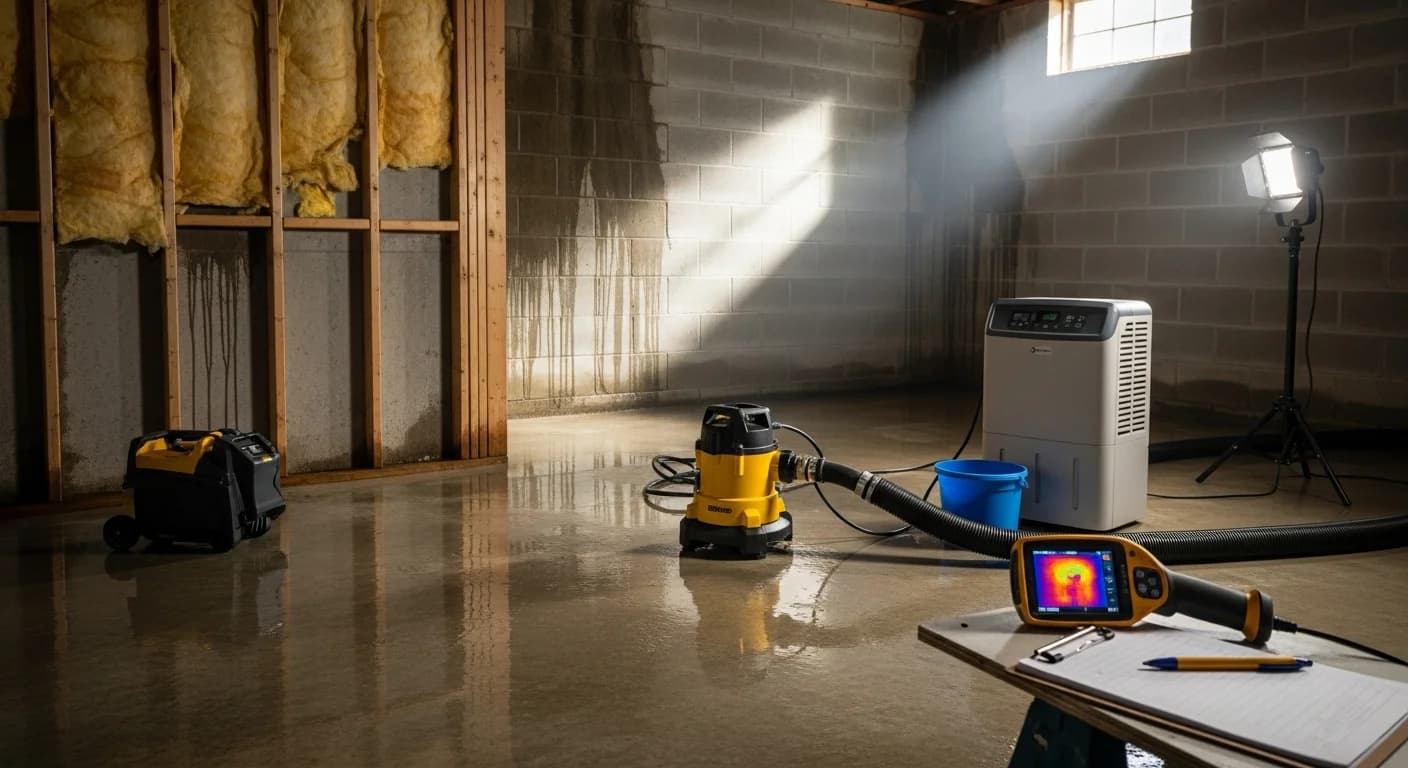
- Thermal imaging and moisture meters find hidden moisture behind walls and under floors that visual checks miss
- Rapid drying reduces the conditions that allow mold to take hold in saturated materials
- Detailed moisture documentation supports your homeowners insurance claim from the start
- Structural drying protects wood framing, drywall and flooring from warping and swelling
- Professional extraction removes contaminated water safely, reducing health risks for your household
Local expertise
Expert Emergency Water Removal in Stanwood, WA
When water gets into your Stanwood home, every hour it sits causes more damage.
TDC Clean & Dry handles emergency water removal for burst pipes, appliance leaks, storm flooding and drainage failures. Stanwood's wet season runs roughly from October through April, and heavy rain can overwhelm drainage systems and push water into basements, crawl spaces and lower-level rooms. Low-lying areas near the Stillaguamish River face added flood risk during winter storms.
Our process starts with a moisture assessment using thermal imaging and moisture meters. We then extract standing water with pumps and extractors, followed by structural drying with commercial air movers and dehumidifiers. Conditions are documented throughout to support your insurance claim.
If your Stanwood home has standing water right now, call TDC Clean & Dry to get the removal process started.
Our process
How Emergency Water Removal Works
In an emergency the order matters: make it safe, get the bulk of the water out, then chase down what is left.
Call, day or night
Call (206) 719-4508 and tell us where the water is coming from, whether it is still running and which rooms are wet. We will explain how to shut it off and what to avoid until the crew arrives.
Safety check and triage
On arrival we confirm the source is stopped, check for electrical and slip hazards, and identify the water as clean, gray or contaminated. A quick moisture survey shows how far it has spread, so the worst areas are handled first.
Get the bulk water out
Pumps and extractors remove standing water from floors, carpet and low spots before it wicks further into walls and subfloors. Every gallon taken out as liquid is one the drying equipment will not have to pull from the air.
Protect contents and trace the spread
Furniture and belongings are moved off wet floors or raised on blocks to stop staining and wicking. Moisture meters and thermal imaging then track where water has traveled under flooring and into wall cavities.
Start drying and plan the rest
Air movers and dehumidifiers go in right away to stabilize the space. From there, a structural drying plan checked with daily moisture readings carries the job through to dry standard.
Before we arrive
What to Do While You Wait
A few safe steps can limit the damage while the crew is on the way — but none of them is worth risking your safety.
Stay clear of electricity
Keep out of standing water near outlets, cords and appliances. Only switch off power at the breaker panel if you can reach it without stepping in water — otherwise leave it and tell us when you call.
Stop the water
Close the main shutoff valve — often in the garage, crawl space, basement or near the water heater. For a leaking appliance, sink or toilet, closing its own supply valve may be enough to stop the flow.
Lift what you can
Move rugs, electronics, papers, photos and small furniture off wet floors. Slip foil or plastic under the legs of heavier pieces so wood stain and rust do not bleed into wet carpet.
Take photos before cleanup
Before anything is moved or thrown away, take photos and video of the water, its source and damaged belongings. It takes a few minutes and gives your insurance adjuster a clear record of the loss.
Emergency water removal FAQ
Emergency Water Removal Questions, Answered
Common questions about emergency water removal in Stanwood, WA.
Does TDC Clean & Dry respond to water emergencies anywhere in Stanwood?
Yes. We respond to emergency water removal calls throughout Stanwood. Call as soon as you find standing water so the assessment and extraction can begin.
What does emergency water removal actually include?
It includes a moisture assessment, extraction of standing water with industrial pumps and extractors, and structural drying with commercial-grade equipment. We also document the damage to help you file an insurance claim.
Can water behind my walls cause damage even after the floor looks dry?
Yes. Water can stay trapped inside wall cavities and under flooring long after the surface looks dry. We use thermal imaging cameras and moisture meters to find those hidden pockets before they cause mold or structural damage.
My Stanwood home flooded from storm runoff. Is that covered by homeowner's insurance?
Coverage depends on your specific policy, and storm runoff is often handled differently from a sudden plumbing failure. Check with your insurance provider directly — your adjuster makes the final call, and we can document the water damage to support your claim.
How do I know if my crawl space or basement has water damage after a Stanwood rainstorm?
Signs include standing water, musty odors, damp walls and efflorescence — a white, chalky residue — on concrete surfaces. Stanwood's wet winters and saturated soil make crawl spaces and basements common entry points for water.
Should I try to remove the water myself before TDC Clean & Dry arrives?
You can safely blot or mop small amounts of surface water, but do not use a household vacuum on standing water. When flooding is significant, professional extraction equipment removes far more water and reaches areas household tools cannot.
Standing water cannot wait until morning.
The first hours after a leak decide how much of your flooring, drywall and framing can be saved. Our emergency line is answered 24/7, so call as soon as you find the water — even in the middle of the night.
Emergency removal is the first step. From there we handle water extraction, structural drying, flood damage restoration and mold inspection — without handing you off to another company.