
What's included
What Water Extraction Covers
Extraction removes the bulk of the water, so the drying that follows is faster and more complete.
- Standing water removed from floors, carpet and subfloors with professional-grade extraction equipment
- Hidden moisture identified with thermal imaging and moisture meters before it causes structural damage
- Mold risk reduced by pulling water out of porous materials early in the restoration process
- Flooring, drywall and insulation protected from warping, swelling and deterioration
- Detailed documentation of the water damage to support your insurance claim
- Service across Stanwood, including low-lying neighborhoods prone to stormwater flooding
Local expertise
Expert Water Extraction in Stanwood, WA
The sooner standing water is out of your Stanwood home, the more of the structure can be saved.
TDC Clean & Dry handles water extraction for flooded basements, soaked carpet and floors, and wet crawl spaces. In Stanwood, stormwater runoff and overloaded drains are common causes of interior flooding during the wet season, and homes on low ground near the Stillaguamish River carry added risk.
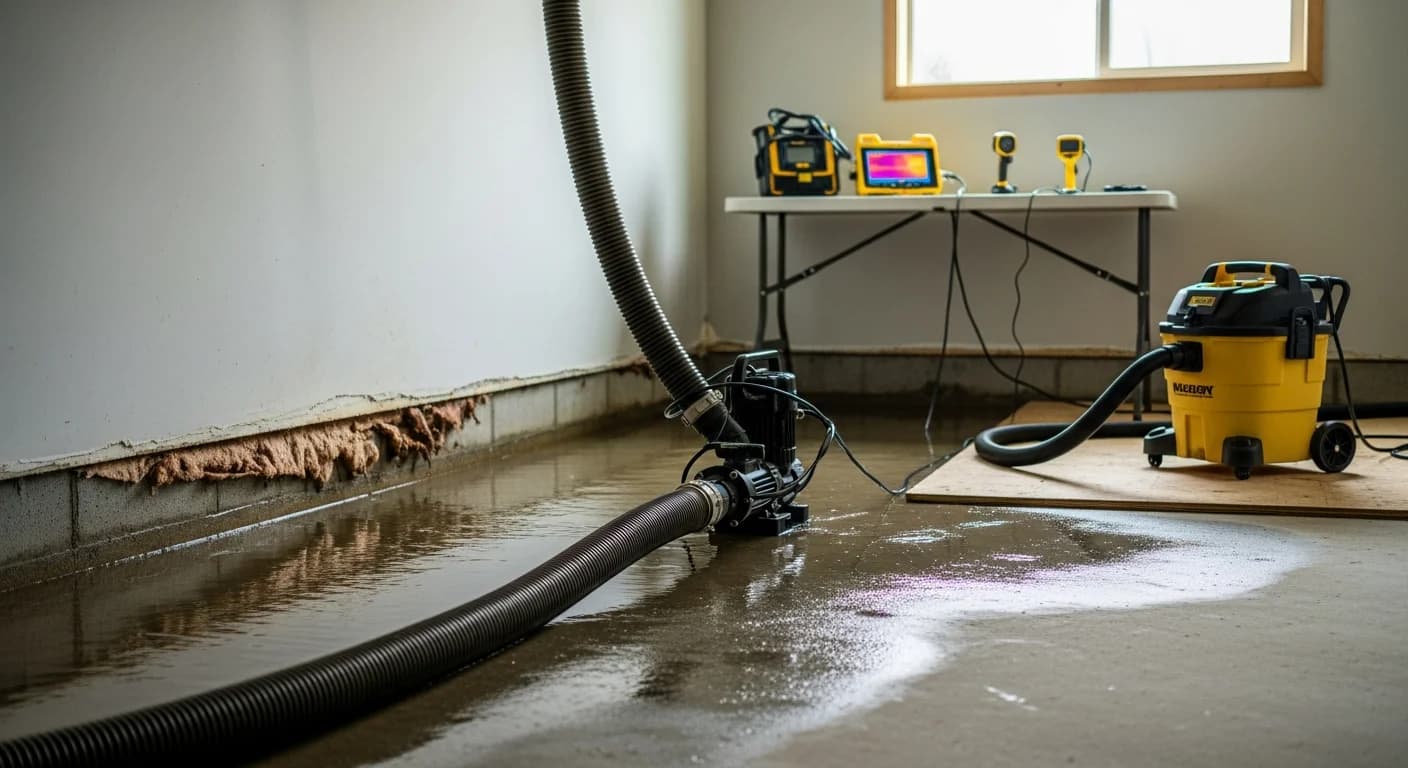
We use truck-mounted extraction units, submersible pumps and portable extractors to pull standing water from affected surfaces. Once it is out, moisture meters and thermal imaging find the water hidden inside walls, subfloors and insulation — the step that helps prevent secondary damage and reduces the chance of mold taking hold.
If you have water in your home, call TDC Clean & Dry. We serve Stanwood and the surrounding area, from the first extraction through drying and repairs.
Our process
How Water Extraction Works
The method depends on how much water there is and what it is sitting in.
Check the water and the surfaces
We confirm the source is stopped and check what the water is sitting on — carpet, hardwood, laminate or bare concrete. Each calls for a different extraction method, and contaminated water changes what can be saved.
Pump out deep water
Where water is standing deep enough to pump — a flooded basement or crawl space — submersible pumps move the bulk of it out quickly. Extractors then take over for the water left in and on the flooring.
Extract carpet and pad
Truck-mounted and portable extractors make repeated passes over the carpet, pulling far more water out of the fibers and pad than a shop vacuum can. Soaked pad is often removed so the subfloor underneath can dry.
Clear hard floors and concrete
On hardwood, laminate, tile and concrete, extraction clears the surface water and pulls what it can from seams and low spots. Water trapped beneath hard flooring is what cups wood and swells laminate, so these areas get a closer look.
Measure what is left behind
Moisture meters and thermal imaging show where water has wicked into drywall, baseboards, subfloors and insulation. Those readings are logged for your insurance claim and become the map for structural drying.
Where water collects
What We Extract Water From
Every surface holds water differently, so each one gets its own approach.
Carpet and pad
With clean water and a quick response, carpet can often be extracted, dried and kept. The pad beneath may need replacing, and carpet soaked by sewage or floodwater is removed rather than cleaned.
Hardwood, laminate and vinyl
Water slips through the seams and gets trapped under hard flooring, where it cups wood and swells laminate. We extract the surface water, then check the subfloor to decide whether the flooring can be dried in place.
Basements and concrete slabs
Concrete will not warp, but it holds moisture and passes it into bottom plates, drywall and anything stored on the floor. Pumps and extractors clear the standing water before any drying equipment goes in.
Crawl spaces
Water pooled on a crawl space vapor barrier or in the soil beneath the house raises humidity in the rooms above. We pump it out, then check the joists, insulation and subfloor that have been sitting over it.
Water extraction FAQ
Water Extraction Questions, Answered
Common questions about water extraction in Stanwood, WA.
Do I need professional water extraction or can I handle it myself in Stanwood?
Professional extraction removes far more water than a household wet vac or fans can. Water often soaks into subfloors and wall cavities, where consumer equipment cannot reach it.
What areas of my home does water extraction cover?
Extraction covers any area where water has collected, including basements, crawl spaces, living areas and the inside of wall cavities. Homes with slab foundations or finished basements may need extraction in more than one area.
Will water extraction prevent mold from growing in my Stanwood home?
Removing standing water quickly reduces the conditions mold needs to grow, and drying the structure afterward finishes the job. Stanwood's wet winters and high humidity make thorough extraction especially important for keeping mold from spreading.
Can TDC Clean & Dry help document water damage for my insurance claim?
Yes. We record moisture readings and the affected areas throughout the extraction process. That record supports your claim and shows the damage was addressed properly.
What causes most water extraction calls in Stanwood, Washington?
Most of our calls come from stormwater flooding, burst pipes and appliance leaks. Heavy seasonal rainfall and low-lying ground in parts of the area make drainage failures a common trigger for interior flooding.
Is water extraction the same as full water damage restoration?
No. Extraction is the first step in the restoration process, focused on removing standing water. Full restoration also includes drying, sanitizing where needed and repairing damaged materials.
Pull the water before it spreads.
Standing water keeps wicking into drywall, subfloors and insulation for as long as it sits. Extracting it quickly shortens drying time and keeps more of your flooring and walls in place. The emergency line is answered 24/7.
Extraction clears the way for everything that follows. We also handle structural drying, water mitigation, flood damage restoration and mold removal when the job calls for it.