
What's included
What Flood Damage Restoration Covers
Flood restoration goes beyond drying, because floodwater has to be treated as contaminated from the start.
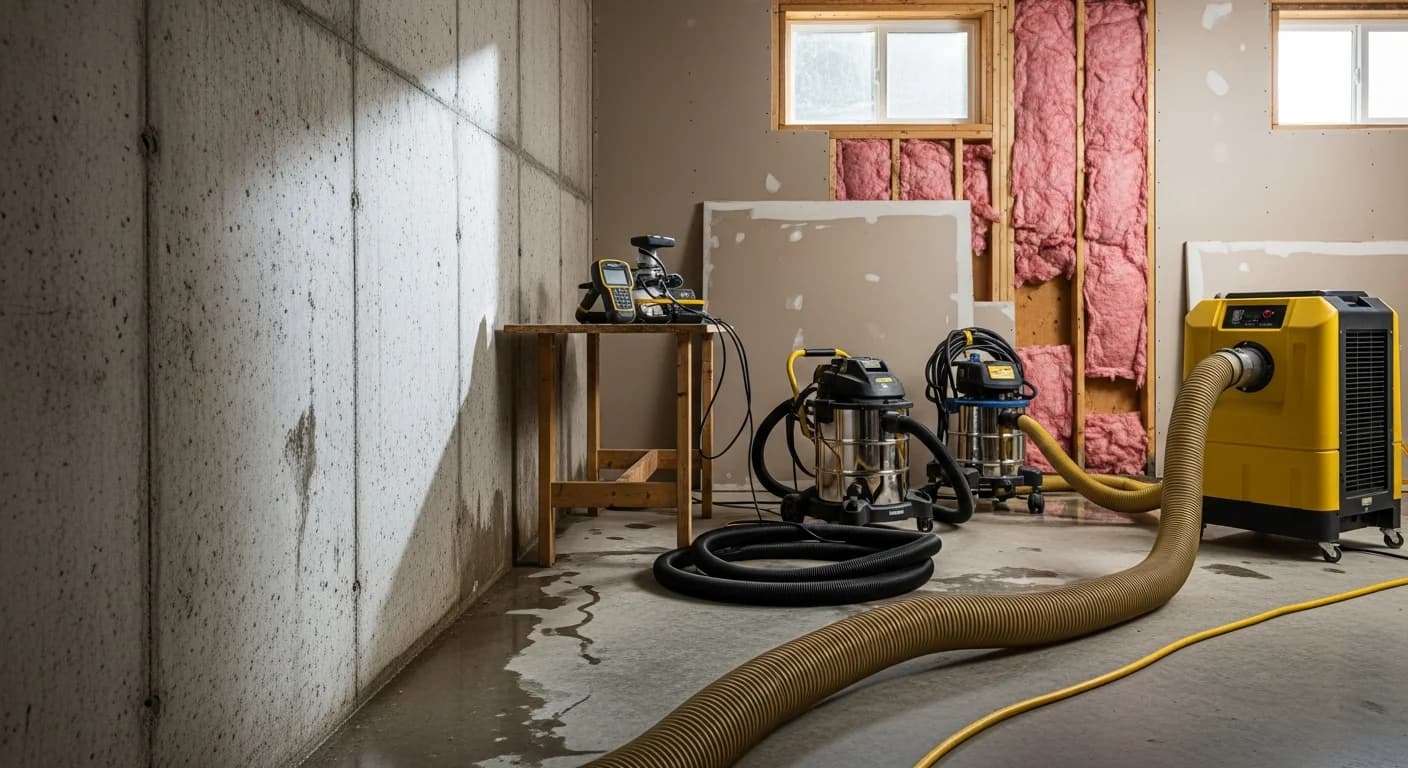
- Floodwater extracted from floors, crawl spaces and wall cavities before mold can take hold
- Structural drying that protects subfloors, framing and drywall from long-term warping or rot
- Moisture mapping identifies hidden water pockets that visual inspection misses
- Contaminated water and flood debris removed safely to protect indoor air quality
- Dehumidification that meets industry drying standards and stops secondary moisture damage
- A documented restoration process that supports your insurance claim with accurate damage records
Local expertise
Expert Flood Damage Restoration in Stanwood, WA
Flood damage restoration in Stanwood calls for fast, thorough action.
Stanwood sits at the mouth of the Stillaguamish River in Snohomish County, where the river and a long wet season, roughly October through April, put low-lying homes at risk of flooding. When floodwater gets inside, it soaks into subfloors, walls and insulation quickly — and left alone, it leads to mold growth and structural damage.
At TDC Clean & Dry, we handle the full scope of flood restoration: standing water extraction, removal of contaminated materials, cleaning and sanitizing, moisture mapping, structural drying and dehumidification. We work in homes and commercial properties across Stanwood.
Older homes and houses built over crawl spaces can be harder to dry after a flood, so we assess each property and build the drying plan around what we find. If your home has been hit by stormwater, river overflow or a backed-up drain, call TDC Clean & Dry to assess the damage and start the restoration.
Our process
How Flood Damage Restoration Works
Flood jobs follow a stricter sequence than a clean-water leak, because what the water carried in matters as much as the water itself.
Check safety and contamination
Before anyone wades in, we check for electrical and structural hazards and treat the floodwater as contaminated. Crews work in protective gear, and affected areas are sealed off from the rest of the house where needed.
Clear out water, mud and debris
Pumps and extractors remove the standing floodwater, then the mud, silt and debris it left behind are cleared from floors and crawl spaces. Nothing can be properly cleaned or dried while that layer is still in place.
Remove what cannot be cleaned
Porous materials soaked by floodwater — carpet and pad, insulation and drywall below the waterline — generally cannot be sanitized, so they come out. Cutting the drywall above the waterline opens the wall cavities for cleaning and drying.
Clean and sanitize
Framing, subfloors and concrete are cleaned and treated with an antimicrobial, and a flood-soaked crawl space vapor barrier is typically replaced. Contamination is dealt with before drying, not sealed in behind new walls.
Dry the structure and crawl space
Air movers and dehumidifiers dry the structure, with extra attention to the crawl space, where damp soil keeps humidity high. Daily readings continue until materials reach dry standard and the rebuild can begin.
Why it matters
Why Floodwater Is Different
Floodwater and a burst pipe can look the same on the floor, but they are handled very differently.
It carries contamination
Rising floodwater can pick up sewage, soil bacteria, fuel and chemicals on its way in. Industry restoration standards treat it as the most contaminated category of water, however clear it looks — and so do we.
It leaves silt behind
As floodwater recedes, it drops mud and fine silt on floors, in crawl spaces and inside wall cavities. That residue has to be cleaned out before anything can be sanitized or properly dried.
It changes what can be saved
Materials that might survive a clean-water leak — carpet, pad, insulation, drywall — usually have to be removed after a flood. Solid framing and concrete can typically be cleaned, sanitized and dried in place.
Insurance treats it differently
Standard homeowners policies typically exclude flooding from outside, which usually falls under a separate flood policy. Your adjuster makes the final call on coverage — we document the damage for whichever policy applies.
Flood damage restoration FAQ
Flood Damage Restoration Questions, Answered
Common questions about flood damage restoration in Stanwood, WA.
Does TDC Clean & Dry handle flood damage restoration in Stanwood, WA?
Yes. We provide flood damage restoration for homes and businesses in Stanwood, including water extraction, structural drying and removal of contaminated materials.
What does flood damage restoration actually include for a Stanwood home?
It covers standing water removal, moisture mapping, removal of flood-damaged materials, cleaning and sanitizing, and structural drying. We treat the full affected area, not just the visible surface.
Can floodwater from the Stillaguamish River area cause hidden damage inside my walls?
Yes. Floodwater often soaks into wall cavities, insulation and subfloors before any damage is visible. Moisture mapping lets us find those hidden areas so they can be cleaned and dried.
Is flood damage different from regular water damage when it comes to cleanup?
Yes. Flood damage often involves contaminated water, which requires safe removal and sanitizing beyond standard drying. Stormwater and river overflow can carry debris and pathogens into your home.
Will TDC Clean & Dry help document the damage for my insurance claim?
Yes. We document the damage throughout the restoration process to support your claim. Accurate records of moisture readings and affected materials help your adjuster assess the loss.
How do I know if my Stanwood home needs professional flood restoration or just drying fans?
If water has reached your walls, subfloor or crawl space, household fans are not enough to dry the structure properly — and floodwater also needs cleaning and sanitizing. A professional moisture assessment shows exactly which areas need treatment.
Floodwater needs more than fans.
Drying a flooded home without removing the contamination first only seals the problem in behind new walls. We clean, sanitize and dry in the right order, and document each stage for your insurance claim. Call any time, day or night.
Flood restoration draws on emergency water removal, structural drying and mold remediation — and once the structure is dry, the same crew can handle the rebuild.