

What's included
What a Mold Inspection Gives You
An inspection answers three questions before any work starts: is there mold, where is it and what is feeding it?
- Pinpoints hidden moisture behind walls, under floors and in crawl spaces before damage spreads
- Gives you a written inspection report so you know the scope of any mold problem
- Helps protect indoor air quality for anyone sensitive to mold, including children and older adults
- Catches mold early, reducing the risk of damage to wood framing, drywall and insulation
- Identifies the root moisture cause so mold is less likely to return after removal
- Supports informed decisions when buying, selling or maintaining a property
Local expertise
Expert Mold Inspection in Stanwood, WA
Hidden growth is common in local homes, and finding it starts with knowing where to look.
Stanwood sits in Snohomish County, where extended rainfall, cool winters and high indoor humidity push moisture into crawl spaces, attics, basements and wall cavities. Mold can grow in those spaces for months before it shows, so an inspection is a practical first step when you suspect a problem.
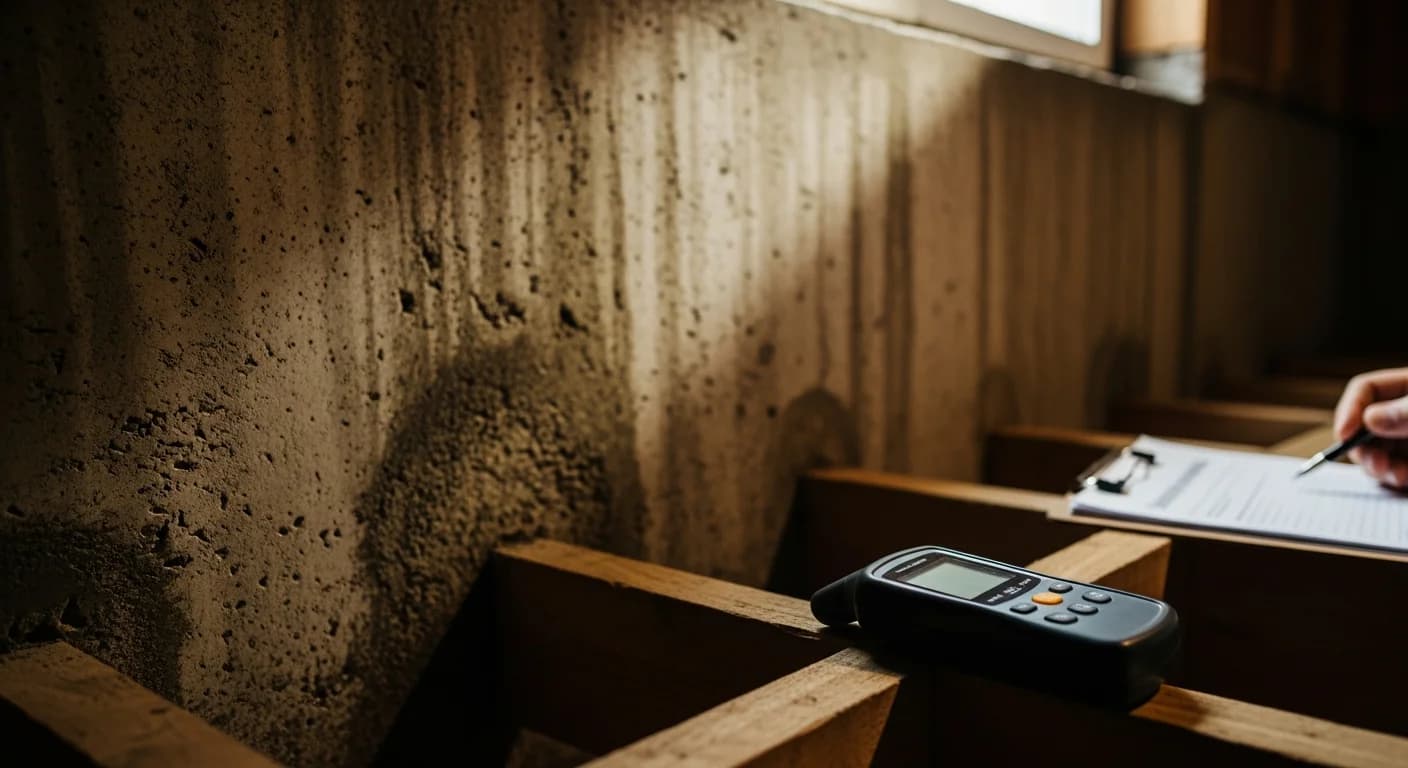
Our team at TDC Clean & Dry checks the areas most likely to harbor growth, including wall cavities, under flooring and around HVAC equipment. We use moisture meters to find wet areas that are not visible to the naked eye, and because plumbing and roof leaks are common causes of mold in local homes, we trace each problem back to its source.
After the inspection, you receive a clear report of what we found, where it is and what needs to happen next. Whether you noticed a musty odor, saw discoloration on a wall or had recent water damage, an inspection gives you the facts before any work begins.
Our process
How a Mold Inspection Works
An inspection is a visual and moisture assessment — if anything needs lab confirmation, we will tell you.
Talk through the history
We start with what you have noticed: a smell, a stain, a past leak or a room that always feels damp. That history tells us where to look first and what might be feeding the growth.
Walk the whole house
We check the places mold favors — crawl space, attic, bathrooms, under sinks, around windows and along exterior walls. Stains, peeling paint, warped materials and condensation are all clues we note and photograph.
Measure the moisture
Moisture meters check drywall, subfloors and framing for water you cannot see, and thermal imaging can flag cool, damp spots behind finished surfaces. Wet materials show us where hidden growth is most likely.
Trace it to the source
Every wet area leads back to something — a plumbing leak, a roof or window leak, poor ventilation or ground moisture in the crawl space. Finding it is what makes a lasting fix possible.
Report and next steps
You get a written report of what we found, where it is and what needs to happen next. If the findings call for lab confirmation, we explain whether testing is worthwhile before any work begins.
Warning signs
Signs You Need a Mold Inspection
Mold does not always show itself, but it usually leaves clues.
A musty smell that lingers
An earthy, musty odor that returns after cleaning usually means growth somewhere out of sight — inside a wall, under flooring or in the crawl space below. It is often the first sign anyone notices.
Stains and discoloration
Dark spots, yellow or brown water stains, bubbling paint and peeling wallpaper all point to moisture behind the surface. Ceilings below bathrooms and walls around windows deserve a closer look.
A recent leak or water damage
Mold can start growing on wet materials within 24 to 48 hours. If a pipe, appliance or roof leaked and the area was not dried out properly, an inspection shows whether growth has started.
Buying or selling a home
An inspection before a sale gives buyers and sellers a clear picture of any moisture or mold problems, so there are fewer surprises at the negotiating table or after closing day.
Mold inspection FAQ
Mold Inspection Questions, Answered
Common questions about mold inspection in Stanwood, WA.
How do I know if I need a mold inspection at my Stanwood home?
An inspection is a good move if you smell a musty odor, see discoloration on walls or ceilings, or had recent water damage. Mold often grows in hidden spots, so visible signs are not always present.
What areas does TDC Clean & Dry check during a mold inspection in Stanwood?
We inspect crawl spaces, attics, basements, bathrooms and wall cavities — the spots most prone to moisture buildup in Stanwood homes. We also check around plumbing lines and roof penetrations, where leaks commonly start.
Can mold grow inside walls without me seeing it in my Stanwood house?
Yes. Mold can grow inside walls, under carpet and in heating ducts without any visible sign. Moisture meters detect wet areas behind the surface, which shows us where hidden growth is most likely.
Is a mold inspection different from mold removal?
Yes. An inspection identifies where mold is and what is causing it, while removal is the work of taking out and cleaning the affected materials. TDC Clean & Dry handles both.
Why is mold such a common problem in Stanwood, Washington?
Extended rainfall, cool winters and high humidity create conditions where mold grows easily, especially in crawl spaces, attics and basements. Plumbing leaks and flood-related water damage are also common contributors.
Do I need a mold inspection before scheduling mold removal in Stanwood?
An inspection first confirms where the mold is and what is feeding it, so removal targets the right areas. Skipping it can mean an incomplete cleanup if hidden growth is missed.
Get the facts first.
Mold is easier to deal with when it is found early, before it spreads through a wall or across a crawl space. An inspection tells you whether there is a problem, where it is and what is feeding it, so any work that follows is the right work.
If an inspection turns up a problem, we can take it from there with mold testing, mold mitigation, mold removal and mold remediation — no handoff to another company.