
When water shows up where it should not, one of the first questions is whether insurance will pay for it. The honest answer is that it depends on where the water came from, how long it was happening and what your specific policy says. This guide walks through the distinctions most homeowners policies draw and the steps that help a legitimate claim go smoothly. It is general information, not legal or insurance advice — your policy and your insurer have the final word.
Key Takeaways
Standard homeowners policies usually cover sudden, accidental water damage, like a burst pipe, but not gradual leaks or wear and tear.
Flood damage is excluded from standard policies and needs a separate flood policy, which typically has a 30-day waiting period.
Sewer backup and mold coverage are often limited or require an add-on, so check your policy before you need it.
Report the loss promptly, document everything and take reasonable steps to keep the damage from getting worse.
Sudden and Accidental vs. Gradual Damage
The biggest dividing line is how the water got there. Washington's Office of the Insurance Commissioner (OIC) explains that homeowner insurance usually covers sudden leaks but may not cover gradual ones. A washing machine hose that splits, a supply line that bursts or a water heater that fails all at once are the kinds of events policies are generally written for, and the OIC notes that burst pipes, including frozen pipes, are usually covered if you heat your home properly.
Damage that builds up over weeks or months is a different story. A slow drip under a sink, a toilet seal that has been seeping into the subfloor, or failed caulk around a tub is usually treated as a maintenance issue, and wear and tear is a standard exclusion. Many policies also pay for the damage the water caused but not for repairing the pipe or appliance that failed.
Flooding Needs Its Own Policy
In insurance terms, flooding generally means surface water from outside, such as a river or creek overflowing its banks, or heavy rain that collects faster than the ground can absorb it. According to the OIC, a typical home insurance policy does not cover damage caused by flooding, and most policies specifically exclude it.
Flood coverage comes from a separate policy, either through the National Flood Insurance Program (NFIP), which FEMA manages, or from a private flood insurer. There is typically a 30-day waiting period before an NFIP policy takes effect unless the coverage is required by your mortgage lender, so the time to buy is before the rainy season, not when the river is rising. If you live in the Skagit, Snohomish or Nooksack river valleys, or anywhere water collects in heavy rain, it is worth asking your agent about flood coverage.
Sewer Backup, Mold and Other Gray Areas
Water that backs up through a floor drain, toilet or sewer line is commonly excluded from a standard policy unless you have added water backup coverage, usually as an endorsement for an additional premium. Groundwater seeping through a foundation or into a crawl space is typically excluded as well. If your home has a basement or below-grade plumbing, ask your agent what your policy says about both.
Mold coverage is often limited. The OIC notes that homeowner insurance usually does not cover damage from mold, fungi, rust or rot, though some insurers provide limited mold coverage. Roof leaks can fall in between: storm damage to a roof may be covered, but the OIC also cautions that insurance will not cover water damage if you delay repairs.
How to Protect Your Claim
Whatever the coverage turns out to be, these steps put you in the strongest position.
Stop the damage from getting worse
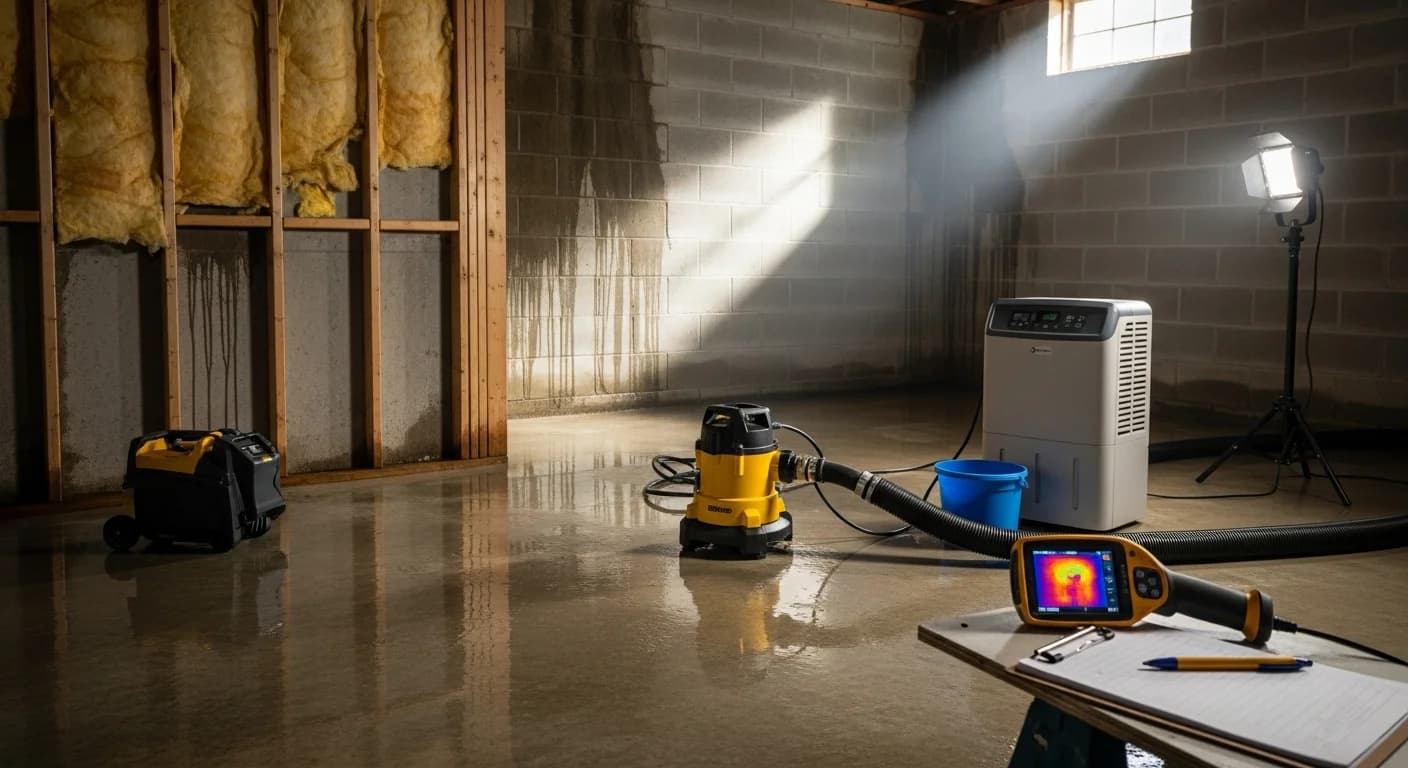
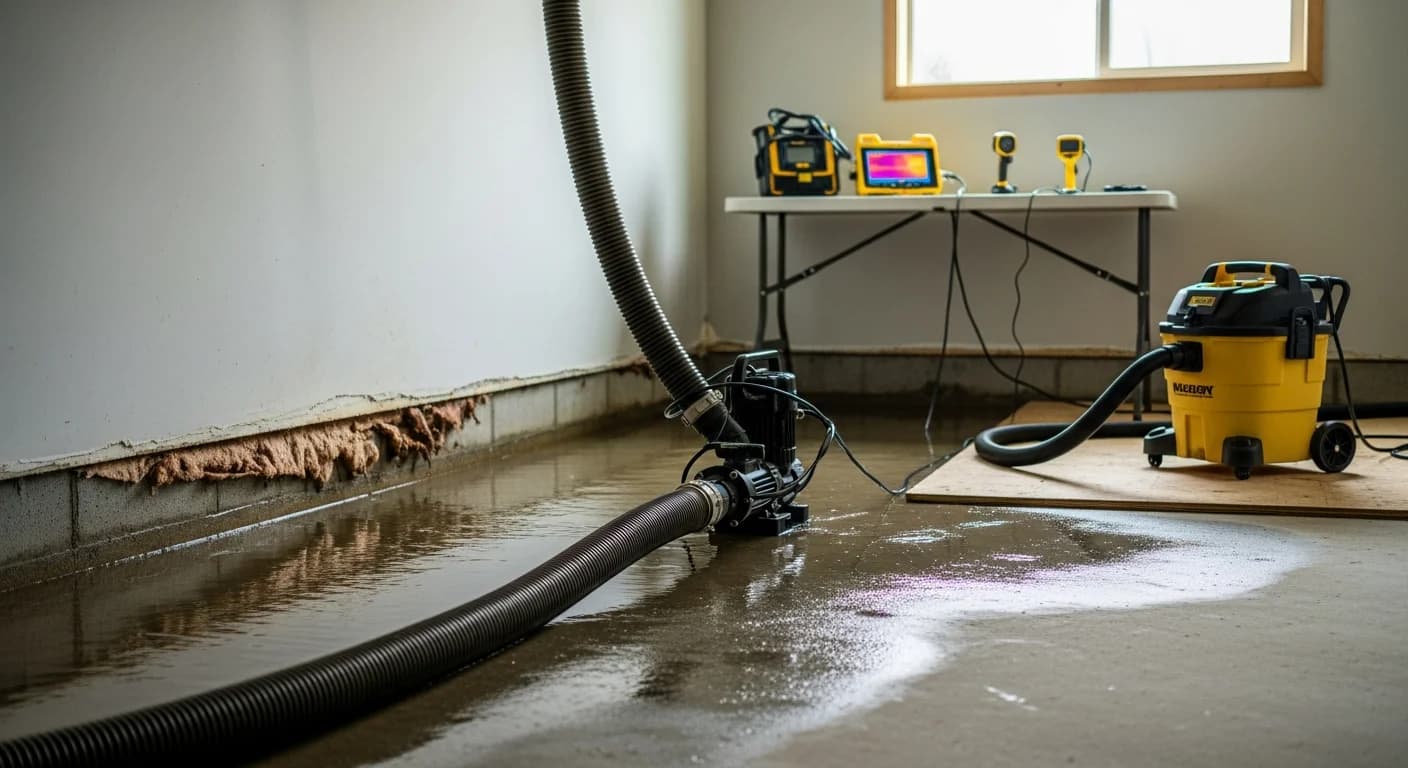
Policies generally require you to take reasonable steps to protect your property from further damage. Shut off the water, call for water mitigation to extract the water and dry the structure, and keep receipts for everything you spend.
Document before you clean
Take photos and video of every affected room before anything is moved, including the source of the water and damaged belongings. Photograph anything you have to remove, and keep it until your insurer says it can go.
Report it promptly
Call your agent or insurance company as soon as you can and ask what information they need to process the claim. Write down your claim number and your adjuster's name, and keep copies of everything you send and receive.
Track your costs
Keep receipts for emergency repairs, equipment rental and cleanup supplies. If the damage makes your home unlivable, the OIC recommends keeping track of expenses for housing, food and laundry, since many policies cover additional living expenses after a covered loss.
Where to Get Help in Washington
If you have questions about your coverage, or a claim seems stuck, the OIC is a free resource for Washington consumers. Its guide to filing a homeowner insurance claim explains the timelines insurers must follow. For example, once you submit completed claim forms, the company should accept or deny the claim, or tell you it needs more time, within 15 business days. The guide also covers your right to an appraisal if you disagree with the amount of your loss, and the option of hiring a licensed public adjuster. The OIC's consumer advocates can be reached at 800-562-6900 on weekdays.
On the restoration side, TDC Clean & Dry documents water damage with photos, moisture readings and drying logs, and we can bill your insurance company directly. We cannot tell you what your policy covers — only your insurer can — but we can make sure your adjuster has a clear, complete record of what happened and what it took to fix.
Frequently Asked Questions
Is a burst pipe covered by homeowners insurance?
Usually, if it was sudden and accidental. Washington's Office of the Insurance Commissioner notes that burst pipes, including frozen pipes, are usually covered if you heat your home properly. Many policies pay for the resulting water damage but not for repairing the pipe itself, and your deductible applies.
Does homeowners insurance cover a slow leak under the sink?
Often not. Damage that develops over weeks or months is usually treated as a maintenance issue rather than a sudden loss. Checking under sinks, around toilets and behind appliances every few months is the best protection.
Does homeowners insurance cover flood damage in Washington?
Not a standard policy. Flood coverage requires a separate policy through the National Flood Insurance Program or a private flood insurer, and NFIP policies typically take 30 days to take effect unless the coverage is required for a mortgage.
Can a restoration company bill my insurance directly?
Many can, including TDC Clean & Dry. Direct billing means invoices and documentation go straight to your insurer, but you are still responsible for your deductible and for any work your policy does not cover, so confirm coverage with your adjuster early.
Need the Damage Documented?
TDC Clean & Dry offers free inspections, starts mitigation right away and documents everything an adjuster will want to see: photos, moisture readings and drying logs. We work with your insurance company and can bill it directly, and financing through Enhancify is available for costs your policy does not cover. Call (206) 719-4508, day or night, or request an inspection online.
More reading
More From the Crew

Mold6 min
Mold After a Leak: Signs to Watch For in Western Washington Homes
A leak that has been cleaned up can still leave moisture behind in walls, subfloors and crawl spaces. Here are the signs of mold worth watching for, and what to do if you find them.
Water Damage6 min
Water Damage at Home: What to Do in the First 24 Hours
The first day after a leak or flood decides how much of your home can be dried and saved. Here is a practical, safety-first checklist for those first 24 hours.