

The leak is fixed, the water is mopped up and the wall looks dry. But in Western Washington, where the wet season runs for months and many homes sit over crawl spaces, moisture left behind after a leak has plenty of time to cause trouble. Mold rarely announces itself with a dramatic black patch. More often, the first clues are a smell, a stain that keeps coming back or a floor that feels different underfoot. Here is what to watch for in the weeks after water damage, and what to do if you spot it.
Key Takeaways
Mold can begin growing on wet materials within 24 to 48 hours, so fast, thorough drying is the best prevention.
A lingering musty smell, returning stains, peeling paint or warped flooring can all point to hidden moisture.
Crawl spaces, wall cavities and sink cabinets are common hiding places in Western Washington homes.
Small patches can often be cleaned yourself; larger growth, or mold from sewage or floodwater, calls for a professional.
Why Mold Follows Water Damage
Mold spores float through indoor and outdoor air all the time. They only become a problem when they land on something damp, and wood framing, paper-faced drywall, carpet backing and even household dust give them plenty to feed on. As the EPA puts it in its guide to mold, moisture and your home, the key to mold control is moisture control. It advises drying water-damaged areas and items within 24 to 48 hours to prevent mold growth.
That window is harder to hit in our climate. Through the long wet season, cool, damp air means soaked materials dry slowly on their own, and a crawl space that takes on water during a stretch of heavy rain can stay humid for weeks. Water trapped in a wall cavity or under flooring can keep feeding growth long after the surface feels dry.
Signs of Mold to Watch For After a Leak
Check the rooms around the original leak every few days for the first several weeks. These are the clues worth paying attention to.
A musty smell that will not go away
An earthy, musty odor is often the first sign, and it can show up before anything is visible. Notice where it is strongest: inside a closet, under a sink, near a floor register or at the crawl space hatch.
Stains, spots or discoloration
Watch for water stains that grow or reappear after painting, and for dark speckling along baseboards, caulk lines and the backs of cabinets. Mold can be black, green, gray or white, so do not rule something out because of its color. And do not paint over it: the EPA advises against painting or caulking moldy surfaces.
Changes in walls and floors
Paint that bubbles or peels, drywall that feels soft near the floor, baseboards pulling away from the wall, and wood or laminate flooring that cups, buckles or feels spongy all suggest moisture is still present.
Condensation and a damp feel
Windows that fog up or drip, a room that always feels clammy, or water beading on cold pipes point to high humidity. The EPA recommends keeping indoor relative humidity below 60 percent, ideally between 30 and 50 percent, and an inexpensive hygrometer will tell you where you stand.
Where Mold Hides in Western Washington Homes
Crawl spaces top the list. Many homes in the region sit over a vented crawl space with a plastic vapor barrier on the soil. Water from a plumbing leak, or groundwater during heavy rain and high water on the Skagit and Snohomish rivers, can pool on that barrier or soak the insulation between the floor joists. Because nobody goes down there, mold on the joists and the underside of the subfloor can go unnoticed for a long time.
Inside the house, check the wall cavity and subfloor around the original leak, the cabinet bases under kitchen and bathroom sinks, behind the washing machine and refrigerator, and around toilets and tubs. In the attic, look at the roof sheathing near any past leak and anywhere a bathroom fan vents into the attic instead of outdoors. Furniture pushed tight against cold exterior walls can trap condensation behind it, too.
Mold and Your Health
The Washington State Department of Health notes that most molds do not harm healthy people, but people with allergies or asthma may be more sensitive. According to the CDC, mold can cause a stuffy nose, sore throat, coughing or wheezing, burning eyes or a skin rash in some people, and people with asthma or mold allergies may have severe reactions. People with weakened immune systems or chronic lung disease may also be at higher risk of lung infections from mold.
If you or someone in your household has symptoms you think could be related to mold, talk to your doctor. Whatever the health picture, the practical fix is the same: find the moisture, remove the growth and dry the structure.
What to Do If You Find Mold
Start with the water. Cleaning mold without fixing the leak and drying the structure only means it comes back.
Small areas you can clean yourself
The EPA says that if the moldy area is less than about 10 square feet, roughly a 3-by-3-foot patch, you can usually handle it yourself. Wear gloves, goggles and an N-95 respirator, scrub hard surfaces with detergent and water, and dry them completely. Porous materials such as ceiling tiles and carpet may need to be thrown away.
When to call a professional
Bring in help if the growth covers more than about 10 square feet, if you suspect it is in your heating or ventilation system, if the water involved sewage or floodwater, or if you can smell mold but cannot find it. A mold inspection traces hidden moisture with meters and thermal imaging, and mold remediation contains the area, removes affected materials and filters the air before anything is rebuilt.
Do you need a mold test?
Usually not when you can see it. The EPA notes that in most cases, if visible mold growth is present, sampling is unnecessary, and the state Department of Health gives similar advice. Mold testing is more useful when you suspect hidden growth you cannot locate, or after remediation to help confirm the cleanup worked.
Frequently Asked Questions
How soon after a leak can mold start to grow?
Mold can begin growing on wet materials within 24 to 48 hours, which is why EPA and CDC guidance both stress drying within that window. Visible growth can take longer to appear, especially inside walls, under flooring or in a crawl space.
Is black mold more dangerous than other mold?
Color alone does not tell you much. The CDC says all molds should be treated the same with respect to potential health risks and removal, and that it is not necessary to identify the type of mold growing in your home. What matters is fixing the moisture and removing the growth safely.
Will mold go away once the area dries out?
No. Drying stops active growth, but the EPA notes that dead mold can still cause allergic reactions in some people, so it is not enough to kill it or let it dry out. Moldy materials need to be cleaned or removed once the moisture problem is fixed.
Does homeowners insurance cover mold?
Often only in a limited way. Washington's Office of the Insurance Commissioner notes that homeowners insurance usually does not cover damage from mold, fungi, rust or rot, though some insurers provide limited mold coverage. Check your policy and ask your agent before you need it.
Worried About Mold After a Leak?
If you are noticing a musty smell, stains that keep coming back or a crawl space that never seems to dry out, we can take a look. TDC Clean & Dry's IICRC-certified technicians trace the moisture, check for hidden growth and explain what we find before any work starts. Call (206) 719-4508 to schedule a free inspection, or send us a message.
More reading
More From the Crew
Insurance5 min
Does Homeowners Insurance Cover Water Damage in Washington?
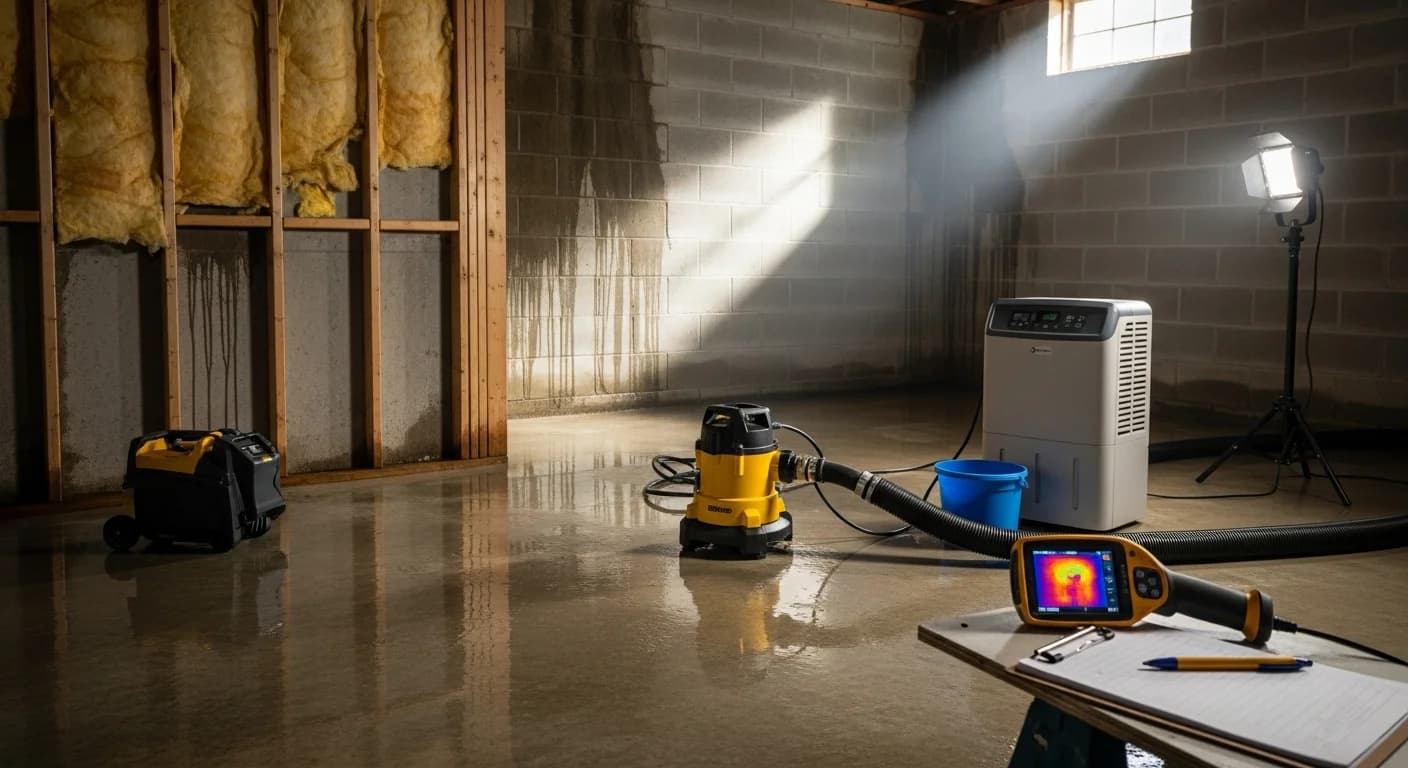
Whether a water loss is covered usually comes down to what caused it and how quickly it was handled. Here is a plain-language look at the common rules, and how to protect your claim.
Water Damage6 min
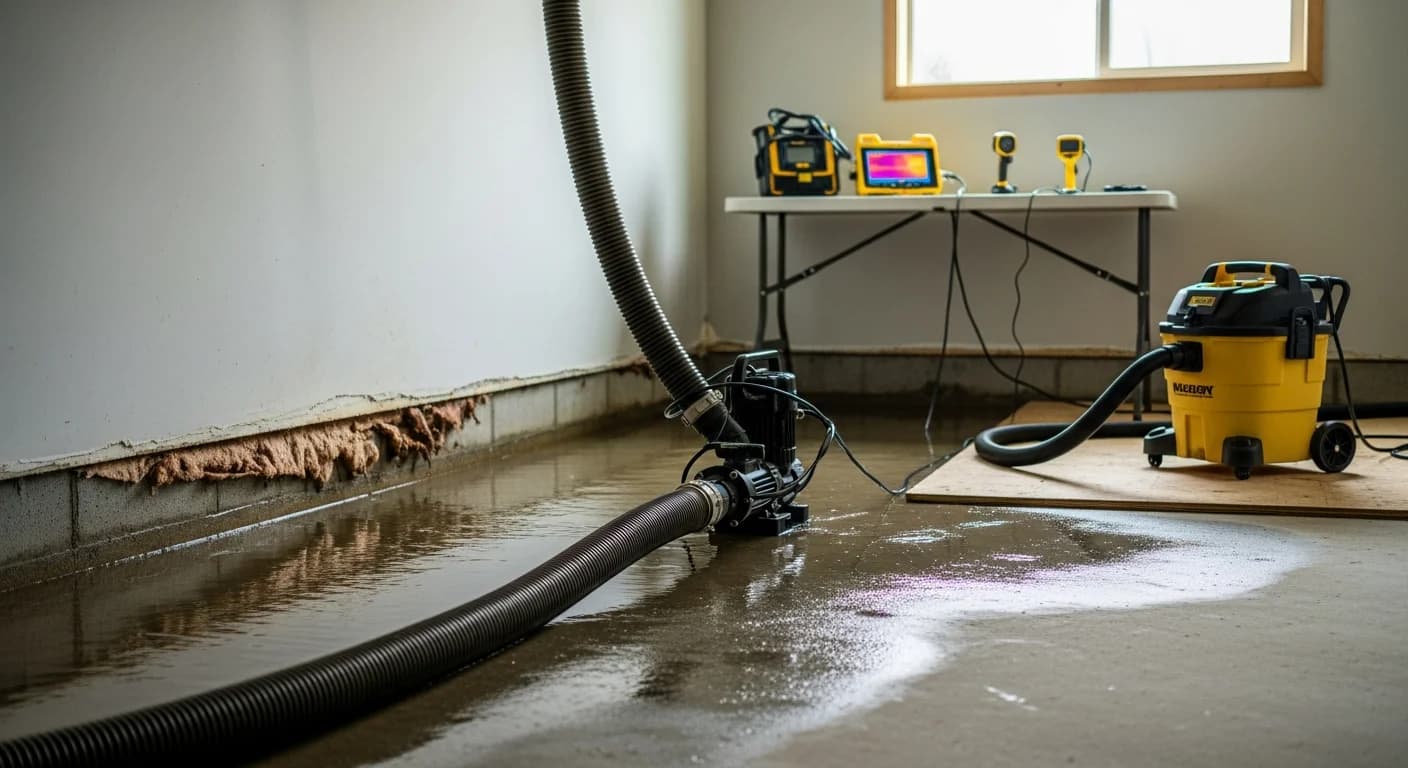
Water Damage at Home: What to Do in the First 24 Hours
The first day after a leak or flood decides how much of your home can be dried and saved. Here is a practical, safety-first checklist for those first 24 hours.